.svg)

Almost 173 million tons (172,983,840 as a rough calculation) of recyclable waste were produced in the USA in 2018, but only roughly 40% (69.1 million tons) were actually recycled. This gives us a glimpse at the reason why commercial waste management needs to get better.
After all, who wants their trash to be reliably emptied only 40% of the time?
It’s time to get commercial waste under control!
That’s why this post will take you through what commercial waste management is, how you can benefit from making a solid plan to handle your business’s waste, and how to do that in just a few easy steps.
We’ll cover:
Let’s dive right in.
Put simply, commercial waste management is all about how you (a profit-focused business) predict, track, manage, and dispose of the waste your business generates. It’s not the most glamorous task, but ignoring it will, at best, turn away customers due to piling trash and, at worst, incur hefty fines or even force closure due to breaching waste disposal regulations.
A typical commercial waste management plan should include:
It sounds simple, but as with many aspects of running a business, the devil is in the details.
For example, how can you be sure that your recorded waste production amounts are accurate? Are there any checks to verify your figures? How much of that waste production could you reduce? How accurate and reliable is your waste forecasting? What happens if the business produces more waste than expected? That’s not even going into the complicated task of determining what the most cost-efficient and reliable solutions are for actually dealing with the waste that’s produced!
It’s not bad news. There are plenty of benefits that come with having a robust commercial waste management plan - let’s take a look at some of them now to show just how important it is.
Commercial waste management is never going to be free but, with some savvy planning, you can get the most out of your contracted waste management service while saving money and helping to clean up your local (and even global) environment.
The first main benefit, however, is that your business won’t be left with overflowing dumpsters. Whether you run a restaurant, office, construction site, or warehouse, piling up trash is bad for business. It’s a great way to lose customers and potentially put your team at risk of health issues, depending on the type of trash that’s accumulated.
Put it this way: would you rather shop at a mall that’s clean and smells nice, or one with rotting food clogging its trash cans?
Second, an effective waste management plan will help you steer clear of potential fines for improper waste disposal. These range from little more than a slap on the wrist to amounts that can cripple your business, so having a plan for how to meet your local regulations is a must.
Third, you can use it to gain insight into how to improve your business in other ways! For example, if you produce more waste than you realised, then it could save you money to swap to product providers that use less packaging. You could notice that your regular garbage collections aren’t enough or are too frequent, and so on, and so forth.
To be honest, it’s also vital to manage your commercial trash flow to make your business a better place for your team to work. Nobody is motivated to go into the office every day if they know that, on top of all of the usual stress, the place is going to smell of garbage.
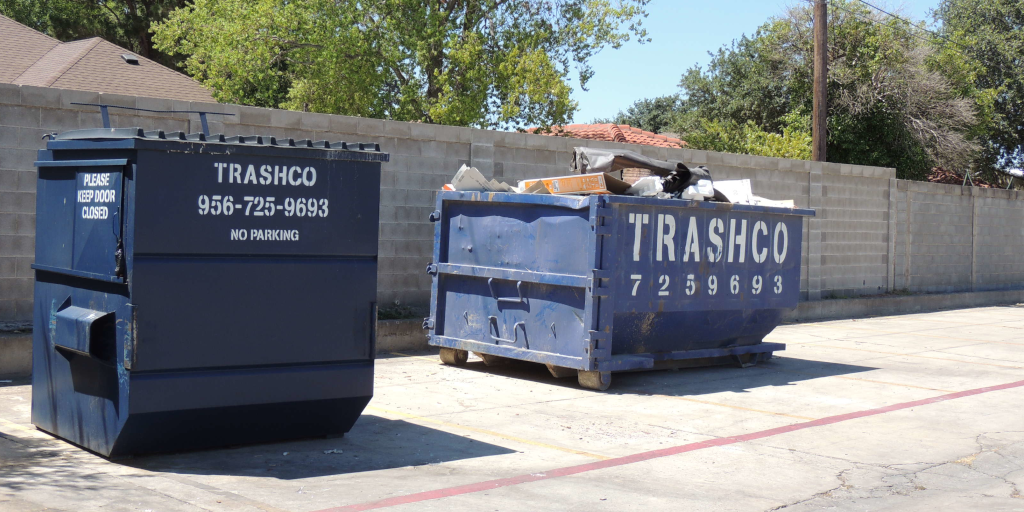
The first thing you need to do is to try to find any records relating to how much trash your business has produced in the past. Ideally, this would let you see how, over time, your trash flow has been influenced by different factors and give you a head start with waste projections.
Whether you have those records or not, the next step is to measure your current waste production amounts. Try to track how much of the following types of waste your business produces in a day, week, and month:
After that, it’s time to use the information gathered to project future waste production. Use your average waste amounts as a rough guideline, but remember to take into account fluctuations as a result of aspects such as season, holiday periods, events and promotions, new hires or redundancies, and so on.
This should let you see the minimum amount of waste you’ll need to have collected and disposed of in a given period. To pick the size of the dumpster you’ll need and how frequent your collections should be, compare the costs of your local options and try to work out what the best bang for your buck is. Remember that a larger, more expensive front load dumpster that requires less frequent collections could be cheaper than a smaller one that needs emptying more often.
Finally, all you have to do is pick the best local commercial waste management service that suits your needs.
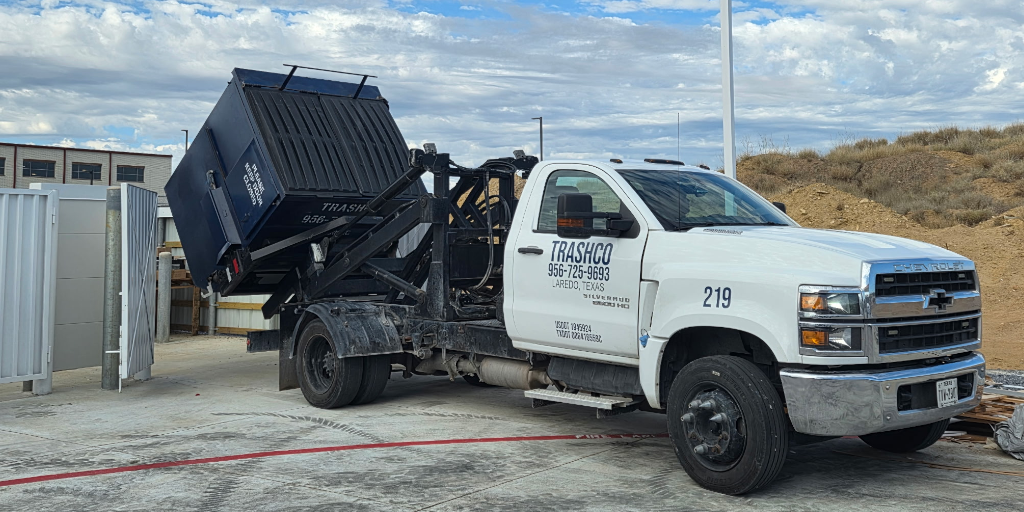
As with most services, picking one to help with commercial waste management depends largely on three factors:
The key here is to find a service that offers the ideal dumpster sizes for your needs, any other required equipment, such as compactors, all at prices that are competitive and within your budget. Use your waste management plan to find the best balance between dumpster size, collection frequency, and costs to avoid pitfalls such as paying for more frequent collections than you need, or renting a unit that can’t hold enough trash and overflows before the next collection.
Compactors, recycling balers, and other waste management equipment can help you make the most out of your dumpster capacity, but remember to take their rental cost into account too.
It’s just as important to look at the reviews of any services you’re thinking of using, especially if your business produces waste that requires special handling or disposal. While no business wants to be left without their regular trash collection, you stand to lose a lot more if the service you pay to dispose of, say, recalled products doesn’t provide you with a certificate of destruction due to lax disposal procedures.
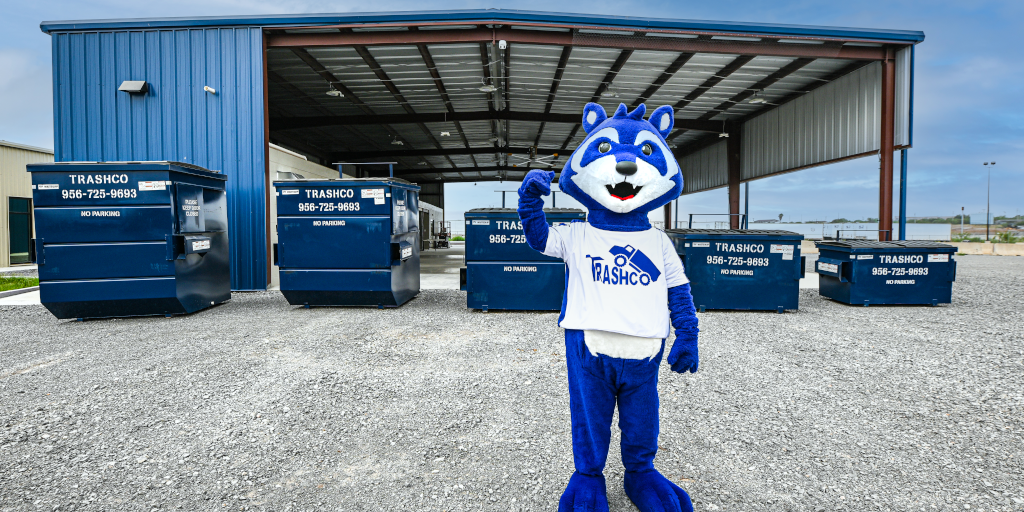
The best way to supercharge your commercial waste management efforts is to use the best waste management service you can find. If you’re in Laredo or the wider Texas area, then you’re in luck, because you’re reading this on that company’s website!
We here at Trashco Inc. are dedicated to cleaning up Laredo, providing all of our customers with excellent rentals and services to make sure your trash is taken on time, every time. Whether you’re a construction site with a rubble problem or an office drowning in waste paper, our team of experts and fleet of state-of-the-art trucks has you covered!
Click here to chat to our friendly team today and get your commercial waste under control!