.svg)

With logistics costs in the US in 2025 hitting $2.3 trillion, it’s no surprise that logistics waste management is a hot topic for reducing costs right now. You need to be able to manage waste in your supply chain in order to cut costs, but with all of the regulations and requirements it’s easy to make expensive mistakes.
Trashco Inc. to the rescue!
Today we’re going to lay out everything you need to know about the basics of logistics waste management, from what it is and the types of waste you’ll be handling all the way to what you’ll need to get the job done.
We’ll cover:
Let’s get started.
Logistics waste management is all about how you gather, track, temporarily store, and eventually dispose of the waste incurred by being part (or the whole) of a supply chain. It’s all about having a set plan for how to deal with the waste you produce or have to deal with, and making sure that said waste’s disposal complies with all relevant regulations while limiting your environmental impact as much as possible.
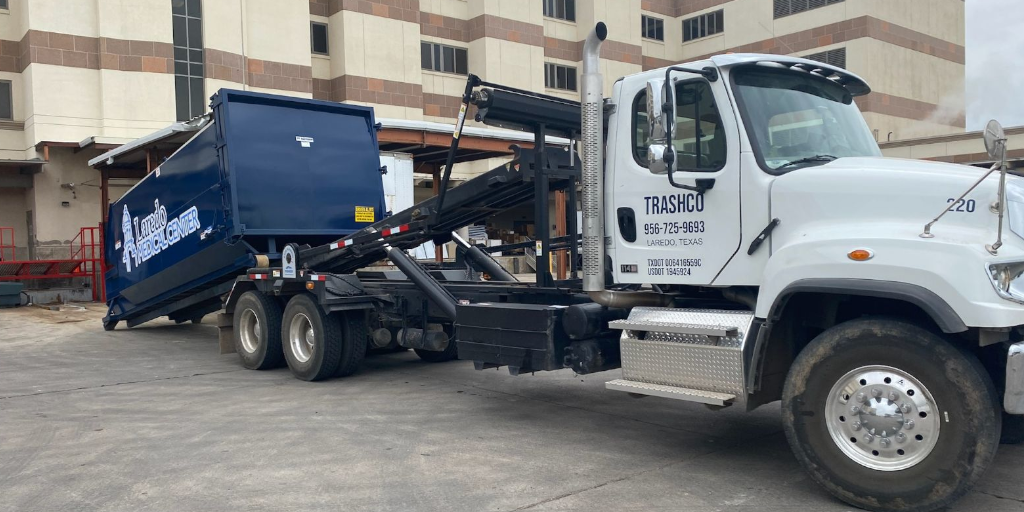
Most elements of logistics waste management will depend on the type of waste you’re dealing with, particularly what types of products you’ll need to dispose of and what materials they’re made from. However, with most logistics waste you will need standard waste disposal equipment on-site, such as roll-off dumpsters to store waste onsite until it’s collected and a trash compactor to reduce the amount of space your waste is taking up.
After all, you’re in the business of moving products; space taken up by your waste is much more profitable being used to hold items until they’re ready to ship!
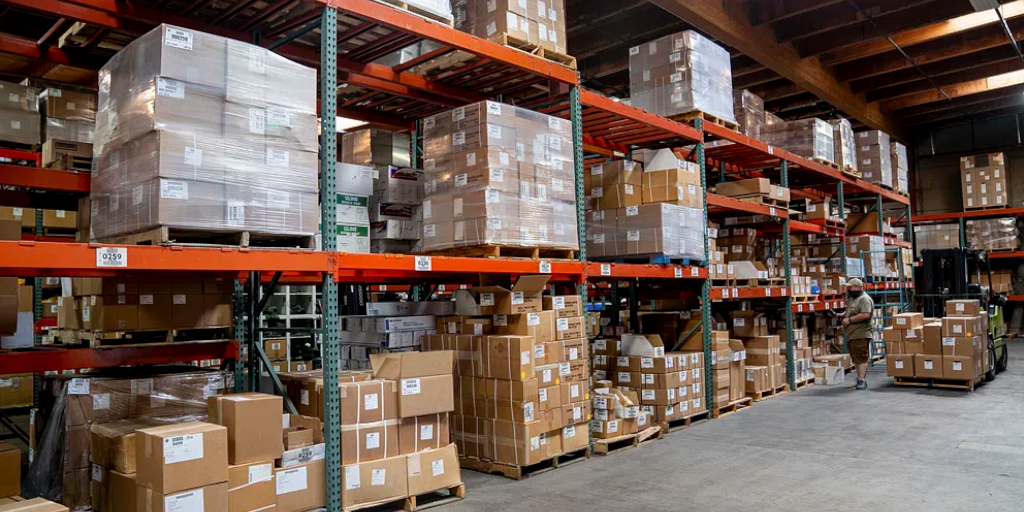
The most common types of logistics waste are:
General internal waste is the trash produced from your day-to-day operations; food packaging from workers’ lunches, scrap paperwork, broken stationary, and so on. This should be handled much in the same way as office trash. It needs to be separated into recyclables and waste for landfill (ideally with biodegradable waste kept separate), stored in suitable containers
like roll-off containers or front load dumpsters, and collected regularly for disposal.
All other types of waste are related to the goods that are part of your supply chain, and so the way that you manage them should adapt to the types of products making up your waste.
Regulated non-hazardous materials cover pretty much anything that isn’t hazardous or requires specific destruction methods. This can range from paper and cardboard through to most metals and plastic packaging, and much can (and should) be recycled. The more you keep out of the landfill, the cheaper disposal will be, too!
Off-spec and outdated products require a little more finesse, as these often require a certificate of destruction as proof that they have been disposed of correctly. The method of disposal depends on the materials used in the products, and it doesn’t matter whether they’re outdated, defective, or just expired. If it was previously an official product, you’re going to need that proof of destruction.
Electronic waste can be tricky due to the wealth of different materials used, but generally speaking as long as you can get it to a certified recycling facility they should be able to harvest as much as possible for reuse. For a useful example, check out our friends at Clean Management Environmental Group, Inc.’s guide on recycling solar panels.
Hand sanitizer is a very common waste item in logistics, as you’re not only using it yourself but also handling shipments of it to almost every imaginable company. If a company over-orders or any number of other things go wrong, you could be left with gallons of the stuff to get rid of. Not only that, but under the Resource Conservation and Recovery Act (RCRA) it counts as ignitable hazardous waste. As such, there are special regulations according to the method of disposal and what that entails for the company disposing of it.
Basically, if you’ve got to get rid of excess hand sanitizer, it needs to go to a licensed recycling plant or an industrial ethyl alcohol reclaimer.
Sounds like a headache? Don’t panic! At the end of this post we’ll share the best way to manage your logistics waste.
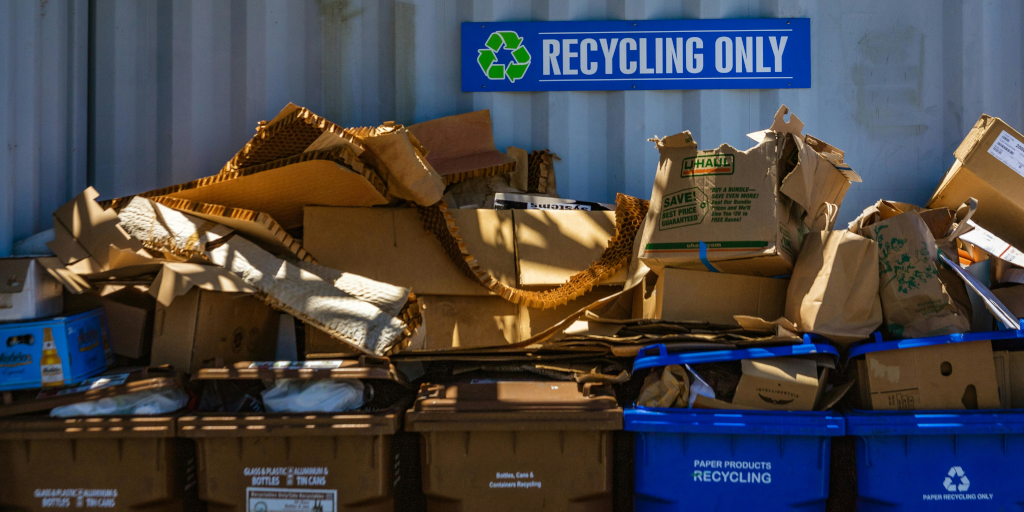
When setting up your logistics waste management plan you’ll need to have or know the following:
Knowing the relevant EPA guidelines for your waste not only gives you an idea of how to dispose of it properly, but also prevents any legal issues you might run into should that disposal go awry. Remember; waste disposal methods aren’t just something you do because it’s the right thing. There are real penalties for those not following the rules!
Speaking of the rules, you’ll need to be able to get certificates of receipt and destruction from the services you pass your waste products onto. This serves two purposes. First, the brand the product belonged to can be certain that their old or faulty products are truly gone. Second, you protect your clients’ reputation by preventing said products from being resold, which could lead to negative associations between that brand and a “bad” product.
Finally, in order to handle the flow of your logistics waste you’ll need to be able to accurately predict and forecast how much waste you’ll need to handle in any given month or even week. In logistics things that sit still are just burning money, so take into account the usual ebb and flow of the product pipeline, particularly if you’re the regular logistics solution for your clients. If you know of a new product launch, leave room in your predictions for any necessary recalls or excess stock that will need to be trashed, and so on and so forth.
As we said at the beginning, the very first thing you’ll need once you know the basic requirements that apply is some equipment to store your logistics waste until it’s ready for collection. For this we’d recommend getting a roll-off dumpster and a compactor at the bare minimum.
Roll-off containers are the perfect way to store large amounts of waste until they’re ready for disposal, especially if you have a place to put the container under cover so that the elements aren’t affecting what’s inside. Once you’ve got a rough waste prediction you should have a rough idea of whether you’ll need to rent a 15-yard, 30-yard, or 40-yard dumpster.
Meanwhile, compactors are the single best way to save space when it comes to waste that doesn’t need to be handled delicately.
Think of the sheer amount of packaging waste you generate, and the space it takes up until it’s picked up and taken away. With a compactor you’ll be able to roughly quarter the space your waste takes up, meaning that you’ll have to pay for waste collections much less frequently! Most companies see complete ROI within the first year of renting one; they’re just that efficient.
The best part? Our expert team here at Trashco Inc. will be more than happy to talk you through every step of the process, give you advice on what size containers would best suit your operation, and help you to save money while disposing of your waste in a way that meets all applicable regulations, guidelines, and more.