Only 22.3% of global electronic waste is properly disposed of or recycled. If you don’t want to add to that number (and risk hefty fines in the process), you need to have an effective electronic waste disposal plan.
That’s why this post will give you 6 insider tips (plus a bonus one at the end) for sorting out your electronic waste disposal without breaking the bank.
From forecasting your waste production and best practices prior to disposal, to earning money from buy-back programs and how to find the best local electronic waste disposal services, you’ll walk away knowing everything you need to know.
We’ll cover:
Let’s get started.
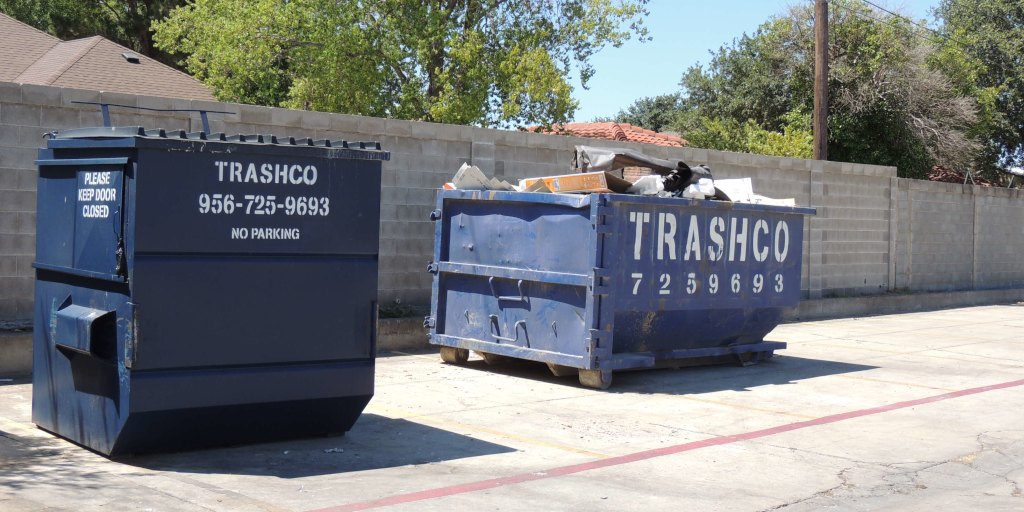
Start by measuring the amount of electronic waste your business produces on average. This will give you a baseline to work with when calculating important elements such as how often you’ll need to arrange for electronic waste disposal, how long your onsite waste storage will last before filling, and could even show you where you can prevent most of your electronic waste from being produced in the first place.
The easiest way to do this is by tracking the amount of electronic waste you produce over the course of a few months, then averaging out that figure to get a consistent rough estimate. Remember to take account of predictable fluctuations due to things like seasonal events (such as the end-of-year holidays, Black Friday deals, or new product releases) which might need you to have extra capacity at those times.
Finally, take your average figure and add 10-25% to account for unpredictable surges in waste production. This should mean that, as long as your electronic waste disposal collections are regular and reliable, you should never be caught out with overflowing containers that can’t keep up with waste production.
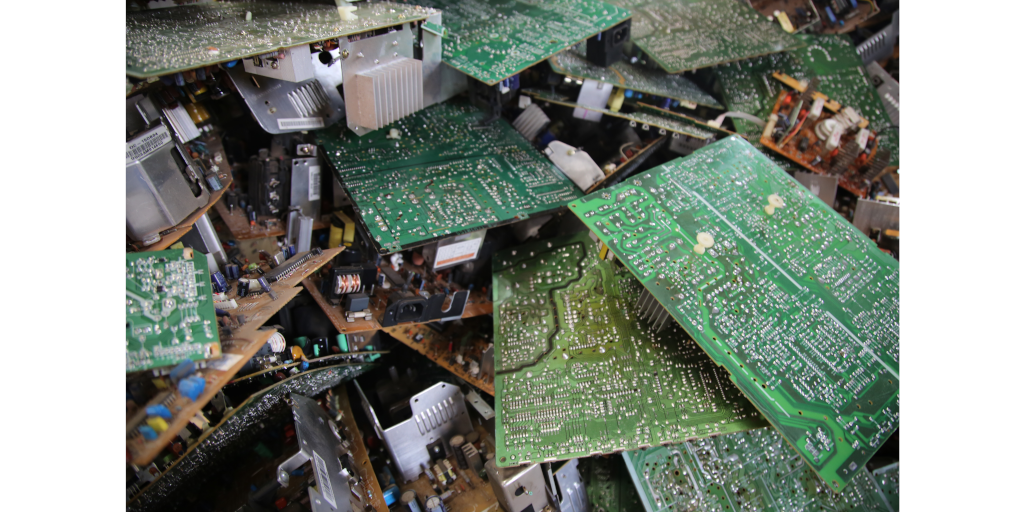
While it’s obvious in hindsight, the last thing that you want is to cause a data breach by failing to wipe your company data from any relevant electronic waste before getting rid of it. That’s why you need to have a documented and consistently applied policy to make sure that all data is completely removed before electronics are thrown in the garbage.
This won’t apply to all of your electronic waste - faulty returned products, for example, shouldn’t contain any sensitive data, and not all electronics are capable of storing sensitive data in the first place.
But it’s better to be safe than sorry. If a computer was used by an employee, then it needs to be wiped. Anything with a business login should be treated just the same. Old servers or data backups should never go into the trash without being blitzed.

Not all electronic waste disposal has to result in things being transferred to another facility; you might even be able to save some money by reducing the total amount you need to arrange for a waste service to take away!
The best way to do this is to see whether there are any local donation programs for electronic goods or a buy-back program from the product manufacturer or another tech company.
Buy-back programs are a great way to get some extra money for your old electronics if they’re in working order; it could even offset a chunk of the cost for upgrading your current tech! However, they’re also highly dependent on the type and model of electronic waste you have, so be sure to do your research to avoid missing out. In other words, they’re not reliable in the long term.
Local donation programs are more consistent, but you obviously won’t be getting any money for the electronics you donate. They are still a great way to reduce the total amount of waste you have to pay for the disposal of though, so don’t sleep on the potential savings!
We’ve gone into detail about product destruction certificates before, but it bears repeating that they’re vital to consider when you’re dealing with electronic waste disposal. That’s why you need to know what parts of your electronic waste require a product destruction certificate before you do anything else.
You’ll usually be required to get destruction certificates for excess, faulty, or obsolete products that are being disposed of. When handing off these items to a waste disposal company you should be given a certificate to prove that they will be (or have been) destroyed in such a way that confirms that there is no chance that they will wind up on the second-hand market, or be reused for other purposes.
Think of product destruction certificates as a document that clears you of the responsibility of appropriate disposal. If anything untoward does happen (for example, some faulty products end up being resold and hurt the brand’s reputation in the process), you can provide the certificate to show that you were officially notified of their permanent destruction. This will clear you of any potential legal liability or fines.

The size of your business and the amount of electronic waste you produce will dictate what kind of electronic waste disposal service you need. Smaller businesses that produce limited electronic waste can mostly get by with looking into local drop-off sites, saving you the cost of a dedicated service.
Larger businesses (or those that produce mainly electronic waste) will need to find and compare the best local electronic waste disposal services to find the best deal that fits their needs.
The key here is to find the available local services, look at their offerings (dumpster size, unit types, additional equipment, product destruction certificates, collection frequency, same-day collection, etc.), and then compare each to your needs. That means taking your projected waste production amounts and current budget, contrasting them with each business’ offerings, and finding the best fit.
One great way to find the best of the best is to search for a disposal company’s customer reviews. These are an incredibly helpful window into the experiences of other customers, and can reveal issues that you wouldn’t know about until paying for collections.

Once you’ve chosen an electronic waste disposal service all you have to do is arrange for a regular collection time that will prevent your dumpsters from overflowing. Remember to consult your waste predictions, and to take into account the size of your dumpster units.
Time for a quick insider tip!
It could be cheaper to rent a different-sized dumpster if that means you can have fewer regular collections. The trick is to avoid excess dumpster capacity while still allowing enough that you can cope with an unexpected surge in waste production - it’s why we added a 10-25% excess to your predicted amounts.
Since electronic waste doesn’t decompose quickly, you also have the option of renting a larger dumpster than you need to allow for less frequent collections. Just remember to compare the price of doing so, as larger units also cost more.
To get the best results you need to work with the best in the business. For general waste disposal that means our team here at Trashco Inc., and for electronic and special waste disposal you need to call our friends over at Clean Management Environmental Group, Inc.!
For waste services in Laredo and the wider Texas area you won’t find better. Our state-of-the-art technology, decades of experience, and environmentally friendly approach have left thousands of customers happy and satisfied without burning a hole in their wallets.
The Trashco Inc. team of experts are more than happy to answer any questions you have, and can even help you to work out how to get the best deal to suit your needs at the lowest price possible.